Introduction
In many parts of Africa, the quest for affordable, locally produced flour is becoming more urgent as the population grows and food security remains a concern. A mill flour machine, also known as a grain grinding machine, provides an efficient way to process raw grains like maize, wheat, millet, and sorghum into flour used for daily meals, baking, and processing.
This article will explain what a mill flour machine is, why it’s important for African markets, types of machines available, key features to look for, benefits, and how to choose the right one for your business in Africa.
What Is a Mill Flour Machine?
A mill flour machine is a machine used to grind grains into flour. It can be manual, semi-automatic, or fully automatic, depending on the scale of production and the resources available. These machines are commonly used in:
Rural communities for small-scale flour production
Local flour mills for community use or small businesses
Commercial bakeries and food processing plants
Non-profit food programs and community kitchens
They are especially valuable in African countries where grain is abundant but processing infrastructure is limited. Whether you’re a farmer or a food processor, a mill flour machine can help you turn grains into flour quickly and efficiently.
Why Mill Flour Machines Are Important in Africa
Africa is rich in natural resources, including various types of grains such as maize (corn), sorghum, millet, and wheat. These grains are the staple foods for many people, yet commercial flour production remains limited in many regions. Here’s why a flour milling machine is becoming more important in Africa:
📈 Increased Food Production
On-site flour production allows for greater self-reliance and local food supply
Helps reduce reliance on imported flour, which can be expensive and unreliable
💰 Cost Savings
Producing flour locally cuts down on transportation and storage costs
Offers greater control over production costs and quality
🌍 Sustainable Agriculture
Encourages small-scale farmers to process their own crops
Supports local economies by creating jobs and increasing income for rural communities
🧑🌾 Empowerment of Small Businesses
Enables local entrepreneurs to start flour production at a low cost
Supports small-scale bakeries, food stalls, and shops with a steady supply of flour
🌿 Better Nutritional Value
Freshly ground flour retains more nutrients than imported or stale flour
Offers healthier alternatives and supports nutritional improvements in local diets
Types of Mill Flour Machines for the African Market
Choosing the right type of mill machine for flour depends on your scale of operation, budget, and grain type.
Fully Automatic Mill Flour Machine
Best for: Large-scale production, bakeries, and industrial setups
Features: High-speed grinding, automated feeding and packaging, energy-efficient
Pros: High output, consistent quality, suitable for large farms or food processing plants
Cons: Higher initial cost, more complex to operate

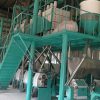
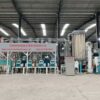
200tpd flour milling plant
Key Features of a Good Mill Flour Machine
When selecting a mill flour machine to suit your African needs, look for the following essential features:
🔧 Durable Construction
Built to withstand harsh weather and rough handling
Made from stainless steel, cast iron, or reinforced materials
🌾 Versatile Grain Processing
Can grind maize, wheat, millet, sorghum, and other common local grains
Some machines can also make cornmeal, semolina, or other grain-based products
📏 Adjustable Settings for Grind Size
Allows you to customize the texture of the flour from coarse to fine
Offers multiple output options depending on your needs
💡 Energy Efficiency
Important in places with limited access to electricity
Look for models that can run on solar, diesel, or generator power
📌 Easy Maintenance
Low-cost, user-friendly machines with simple parts to replace
Manufacturing companies that provide local support and spare parts are preferred
Benefits of Using a Mill Flour Machine in Africa
Here are some key benefits of chinese in Africa:
📈 Higher Productivity
Faster and more consistent grinding process
Allows for on-demand flour production, reducing waste
💰 Economic Growth
Creates job opportunities and supports local industries
Encourages community-based businesses and farmers’ cooperatives
🌍 Sustainability
Reduces the need for long-distance transportation
Supports small-scale farming and waste reduction
🌾 Local Food Security
By processing locally, you boost local food supply
Reduces risk of supply chain interruptions and price volatility
📊 Better Profit Margins
Lower production costs and higher quality flour
Helps small businesses compete with imported products
How to Choose the Right Mill Flour Machine for Your Business in Africa
If you’re looking to start a flour mill, bake a local product, or process grains for sale in Africa, here are some key factors to consider when choosing the right machine:
1. Assess Your Needs
Determine how much flour you need per day or week
Decide on the types of grains you will process
2. Evaluate Your Budget
3. Look for After-Sales Support
Ensure your supplier offers good maintenance, repair, and service
A provider with local support will help you keep the machine running smoothly
The Future of Flour Milling in Africa
With the rise of local food production, self-sufficiency, and sustainable agriculture, mill flour machines are playing an increasingly important role in African food systems.
Governments and local organizations are promoting agricultural development, food security, and community-based projects that reduce reliance on imported goods. As a result, there is growing demand for affordable and efficient flour milling equipment across the continent.
FAQs – Frequently Asked Questions About Mill Flour Machines
Q: What grains can be processed with a mill flour machine?
A: Most mill flour machines can process maize, millet, sorghum, wheat, and rice. However, some grains require specific settings or models — always check the manufacturer’s specifications.
Q: Is maintenance of a mill flour machine easy?
A: Generally, maintenance is simple. Most machines consist of few moving parts and can be repaired easily. Always ensure the supplier offers local support.
Conclusion
A mill flour machine can greatly help local food production, economic development, and community empowerment in Africa. It allows small-scale farmers and local businesses to produce nutritious, affordable flour without relying on expensive imports.
Whether you’re operating in a rural area or a small city, a quality mill flour machine is a great investment that supports self-reliance and growth.
Call to Action (CTA)
If you’re looking for a reliable, affordable, and efficient mill flour machine for your African business, we have the right solution for you. Our flour milling machines are engineered for local conditions, easy to maintain, and cost-effective for small-scale and large-scale use.
Visit our website to explore our range of mill flour machines and choose the best one for your business needs in Africa. Don’t hesitate — invest in local flour production now and benefit from long-term value and reliability.
You Might Also Want to Know: Wheat Grain Mill Machine Boosts the Development of the Grain Processing Industry