
With the continuous advancement of the grain processing industry, the role of the corn grit grinding machine within the food sector has become increasingly prominent. A growing number of processing enterprises are now adopting modern, integrated corn processing systems to meet the market’s ever-rising demand for high-quality corn flour. This article provides a systematic introduction to the corn flour grinding machine, covering aspects such as processing technology, core functionalities, product applications, and key considerations for purchasing.
Driven by a growing public emphasis on healthy dietary habits, market acceptance and popularity for corn-based products—such as corn flour and corn grits—continue to rise.
From an industrial perspective, the value derived from the deep processing of corn depends largely on the technological sophistication of the processing equipment employed. A set of high-performance, stable corn grit grinding machines not only significantly boosts flour extraction rates and product quality but also effectively controls production costs, thereby serving as a critical indicator of an enterprise’s competitive strength.
Modern, integrated corn processing systems typically utilize dry or semi-dry processing methods. The overall workflow is scientifically structured and comprehensive, comprising the following key stages:
1. **Raw Grain Cleaning:** Raw corn undergoes preliminary cleaning using equipment such as vibrating screens and destoners to remove impurities—including stones, dust, and stalks—thereby ensuring the purity of the raw material and laying a solid foundation for subsequent processing stages.
2. **Moisture Conditioning:** Based on the corn’s inherent moisture content, an appropriate amount of water is added to condition the grain. This process softens the corn’s outer skin, facilitating the subsequent dehulling process while simultaneously minimizing kernel breakage and maximizing flour extraction rates.
3. **Dehulling and Degerming:** This constitutes the most critical stage of the entire processing workflow. The corn undergoes a dry-method dehulling process using specialized dehulling machines, followed by the separation of the germ from the endosperm using gravity-based degerming equipment. With mature processing technologies, the combined removal rate for the hull and germ can reach 90% to 95%, effectively eliminating the outer tissues that can negatively impact product taste and shelf life.
4. **Milling and Grading:** The dehulled corn endosperm is fed into milling machines for grinding. Following multiple rounds of sifting through flat screens, the material is separated by particle size to yield various specifications of corn flour, corn grits, and other products. The fineness of the grind can be adjusted according to specific requirements, covering a particle size range typically spanning from 40 mesh to 120 mesh.
5. **Finished Product Packaging:** Once the products have passed quality inspections, an automated packaging system handles the weighing, sealing, and palletizing processes. This automated workflow minimizes manual intervention throughout the entire operation, thereby ensuring strict adherence to product hygiene standards. When selecting corn flour processing equipment, it is advisable to conduct a comprehensive evaluation based on the following dimensions:
① **Alignment with Production Capacity:** Corn flour equipment is typically categorized by its daily processing volume, encompassing a wide range of specifications—from 5, 10, 15, 30, or 50 tons per day, to over a hundred tons. When making a selection, one should align the equipment configuration with actual production requirements to avoid waste caused by oversized machinery, or production bottlenecks resulting from insufficient capacity.
② **Maturity of Processing Technology:** Priority should be given to equipment that employs mature peeling and degerming technologies. Particular attention should be paid to key performance indicators such as the degerming rate, flour extraction rate, and grain breakage rate, as these directly impact the quality of the finished product and the utilization efficiency of raw materials.
③ **Level of Automation Control:** Modern, complete sets of corn grit machines typically feature PLC-based automatic control systems. These systems enable automated management of the entire workflow—from feeding, milling, and sifting to packaging—thereby effectively reducing labor costs and enhancing production stability.
④ **After-Sales Service Assurance:** During the long-term operation of equipment, maintenance requirements are inevitable. Selecting a manufacturer with a robust after-sales support system—one capable of providing technical assistance and spare parts—is a crucial prerequisite for ensuring the equipment’s long-term, stable operation.
As the grain deep-processing industry continues to undergo technological upgrades, both the technical sophistication of corn flour equipment and market demand for such machinery are rising in tandem. A complete set of corn processing equipment—characterized by reliable performance and a comprehensive processing workflow—can empower processing enterprises to achieve synergistic improvements in raw material utilization, product quality, and production efficiency, thereby establishing a solid competitive advantage within a competitive market.
Whether establishing a new production line or upgrading existing equipment, it is highly recommended to thoroughly assess your specific operational needs. By making a comprehensive decision that takes into account equipment capacity, processing characteristics, and the manufacturer’s service capabilities, you can ensure that every single grain of corn is utilized to create its full potential value.
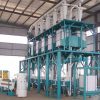
Corn Grit Grinding Machine: A Comprehensive Overview—From Process to Value

Related posts

Burt Machinery Brings Custom Corn Processing Solutions to Nigeria The 2025 China Commodities Expo Nigeria brings together international industrial equipment providers and regional agricultural buyers... Continue reading

Procuring industrial processing equipment requires more than comparing initial catalog prices. To ensure long-term operational success, buyers need a systematic approach to evaluate equipment specifications,... Continue reading

Delivering a functional milling plant requires more than assembling standard processing units; it demands a structured approach to plant design, equipment integration, and operational handover.... Continue reading

Burt Machinery Presents Custom Maize Processing Solutions in Zambia The agricultural processing sector faces a continuous challenge: connecting raw grain with stable, marketable products requires... Continue reading
Reliability Combines Credential Review with Machine and Service Evidence Evaluating a Reliable Maize Flour Milling Machine Manufacturer requires a thorough assessment that connects certification documents directly... Continue reading