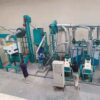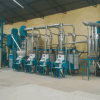
Before installing a complete commercial flour mill system, a comprehensive inspection must be conducted to ensure no oversights occur. Neglecting details can lead to production interruptions and significant losses. In addition to the safety of the equipment itself, the personal safety of operators must also be given high priority.
The installation process of a complete wheat flour mill production system is relatively complex, and improper operation can easily lead to equipment damage or personnel injury. During installation, personnel below the installation area should be evacuated in advance; after work, the power and gas supply should be promptly cut off, and a dedicated person should be assigned to conduct a follow-up inspection.
In the initial installation phase, the equipment and piping are not yet fully in place, leaving numerous pre-drilled holes. It is essential to properly protect and warn of these holes and edges; simultaneously, strengthen safety training for construction personnel to improve their safety awareness.
Commercial Wheat Milling Machine maintenance includes both equipment inspection and repair. Although newly purchased equipment is reliable, regular maintenance is still indispensable. The significance of maintenance lies in: firstly, conducting routine inspections and troubleshooting, focusing on problem detection; and secondly, promptly repairing problems to prevent small issues from escalating into major malfunctions and reducing economic losses. Therefore, flour processing enterprises generally conduct regular equipment maintenance.
The recommended maintenance cycle for newly purchased flour milling machinery is one month. During the break-in period, regular inspections are even more necessary to address any issues promptly. While regular maintenance increases workload, it reduces the failure rate and improves production efficiency.
Related issues: What malfunctions are encountered in wheat industrial flour mill machines?