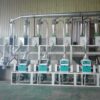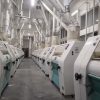
In flour milling, the higher the utilization rate of the crops being processed, the more flour and by-products can be produced, leading to greater economic benefits. Therefore, improving the comprehensive utilization rate of crops is crucial for flour processing enterprises. The key to improving this utilization rate lies in reducing malfunctions in the wheat industrial flour mill machines during operation.

Imagine if the 20tpd flour making machine frequently malfunctions, such as screen clogging, bearing wear, or transmission system failure. This would lead to processing interruptions, preventing the continuous and efficient conversion of crops into flour. This not only wastes valuable raw materials but also reduces production efficiency, increases maintenance costs, and impacts the company’s profits. Conversely, if the machinery operates stably with a low failure rate, the crops can be processed fully and evenly, improving both the yield and quality of the flour, and allowing for more complete recycling of by-products, thus naturally increasing overall economic benefits.
What are some common malfunctions encountered in daily operation?
1. Screw conveyor malfunction: This is often due to inexperienced operators feeding too much material, causing the transmission belt to slip. The solution is for relevant personnel to improve their understanding and operate the equipment correctly.
2. Motor malfunction: This is mostly caused by prolonged operation leading to overheating and subsequent damage. Relevant technicians should pay attention to and reasonably plan the processing schedule. Additionally, problems with bearings, such as lack of lubrication or foreign objects, can also cause this issue. The solution depends on the specific situation.
3. Grinding malfunction: If a gradual decrease in working efficiency is observed during production, the grinding teeth should be checked and repaired, and the spring tension should be adjusted appropriately. If the temperature of the processed product from the industrial wheat flour mill machines is too high, the grinding rollers should be loosened accordingly.
4. Cleaning screen malfunction: Issues such as excessive screen frame vibration, excessive crushing of wheat, too small a gap between the beating device’s teeth and the screen, or oversized screen holes will all affect the quality of the final processed product. Relevant maintenance personnel should make appropriate adjustments.
As mill flour machine production technology continues to improve, product quality is also getting better. Currently, one piece of equipment can process multiple types of crops, offering great versatility, which brings more opportunities for businesses. However, having the equipment is not enough; the key is to unlock the “potential” of the equipment and allow the entire unit to perform at its best. When the advantages of the equipment are fully utilized, processing speed increases, raw material waste decreases, and production costs are reduced. This allows the company to earn more and save on costs, naturally leading to improved economic efficiency.